Independent Analysis

Modeling, analytics and data infrastructure that gives our clients leverage to frame the narrative

We help advocacy groups win with asymmetrically powerful analytics capabilities.

An information gap that decides debates before they start

Environmental advocates are outgunned, especially at the local and state level, where government agencies deploy complex financial, operational and ecosystem models to justify policies that harm ecosystems and ratepayers. Advocates focus on their campaigns and rarely have the analytical firepower to challenge the fact base agencies present to the public through these models. Because of this information gap, they cede large parts of the debate to polluters and resource agencies.

On top of that, most advocacy work is siloed. Even when organizations collaborate on a single issue, documents move by email or file server. The power of modern structured databases and analytical queries rarely reaches the people making the case.

We close that gap with rigorous, independent analysis that puts our clients on equal analytical footing with the agencies they face.

The Analytical Asymmetry
Agency Resources Advocates' Reality
Full modeling staffvsVolunteer advocates
Multi-year data infrastructurevsLimited data access
Legal & regulatory teamsvsOverstretched counsel
Paid consultantsvsNo budget for analysis
Public relations apparatusvsEmail list only

What we do

We build independent analysis that uncovers what agency-developed models do not reveal, using publicly available data, public records requests, and deep analysis of agency documents.

01
Model Building
We build our own models to present an alternative to what agencies and polluters are telling the public. Modern tooling lets us build deterministic and stochastic models quickly, and we design each one to give a clear view of the issue at hand and make the results accessible.
Stochastic ModelingWater DemandCost Models
02
Agency Model Auditing
We obtain agency models and data, then reverse-engineer their projections to identify typical modeling errors. We quantify cumulative overestimation and present the results for public consumption, with specific, documentable citations.
UWMP AuditsError QuantificationDemand Forecasting
03
Cost & Financial Analysis
We reconstruct the true cost of water supply portfolios, identifying where agencies obscure the economics of supplemental supply agreements, wholesale purchases, capital projects, and environmental remediation obligations.
Portfolio AnalysisCapital CostsEnvironmental Economics
04
Results Communication
Graphical presentation, messaging channels and tone of language all matter when communicating complex modeling to diverse audiences. We translate findings into CEQA comments, public letters, and other foundational advocacy pieces.
CEQA CommentsPublic LettersVisualization
05
Regulatory Strategy
We map the legal and regulatory leverage points where analytical findings create actionable pressure, including the Urban Water Management Planning Act, substantial evidence requirements, CEQA exposure, FERC relicensing requirements, and energy regulatory frameworks.
CEQAFERCUWMP ActLitigation Support
06
Digital Infrastructure
Purpose-built tools that warehouse and catalog agency data, automate public records requests, monitor regulatory dockets, audit demand models, and assemble detailed written comments on CEQA and other proceedings, so work that once took months takes days.
Data WarehousingRecords Request AutomationDocket MonitoringComment Assembly
07
Data Gathering
Most data science work is gathering and cleaning data. We use public records requests and other methods to gather hard-to-reach data as inputs into modeling, taking a persistent, systematic approach to getting data out of public agencies.
Public Records RequestsData PipelinesFOIA
08
Campaign Support
We support advocacy campaigns and multi-organization efforts by coordinating comment campaigns, translating technical findings for partners and the public, and making sure analytical work connects to advocacy strategy and public pressure.
Comment CampaignsTechnical TranslationOutreach

Why we exist

Agencies set the terms of public debate with models most people never see. When a demand forecast is inflated or a cost comparison leaves out the real alternative, the decision is effectively made before the public comment period opens.

Prairie Creek Labs gives the other side of the table the same analytical capability: insightful models, the persistence to pull data out of agencies, and shared digital infrastructure that lets clients and their partners collaborate around evidence rather than email threads.

With modern tooling, a small team of experts can build and continuously improve this kind of capability, shifting the work from winning a battle here and there to changing how these debates are decided.

Independence
We don't work for the agencies whose models we examine, so our conclusions are never compromised by clients on the other side of the table.
Rigor
We go after the truth. Our analyses are built on publicly available data, public records requests, and deep examination of agency documents. We stand behind every number.
Leverage
The databases and tools we build compound over time. Every engagement makes the next one faster and deeper for our clients.

Who we are

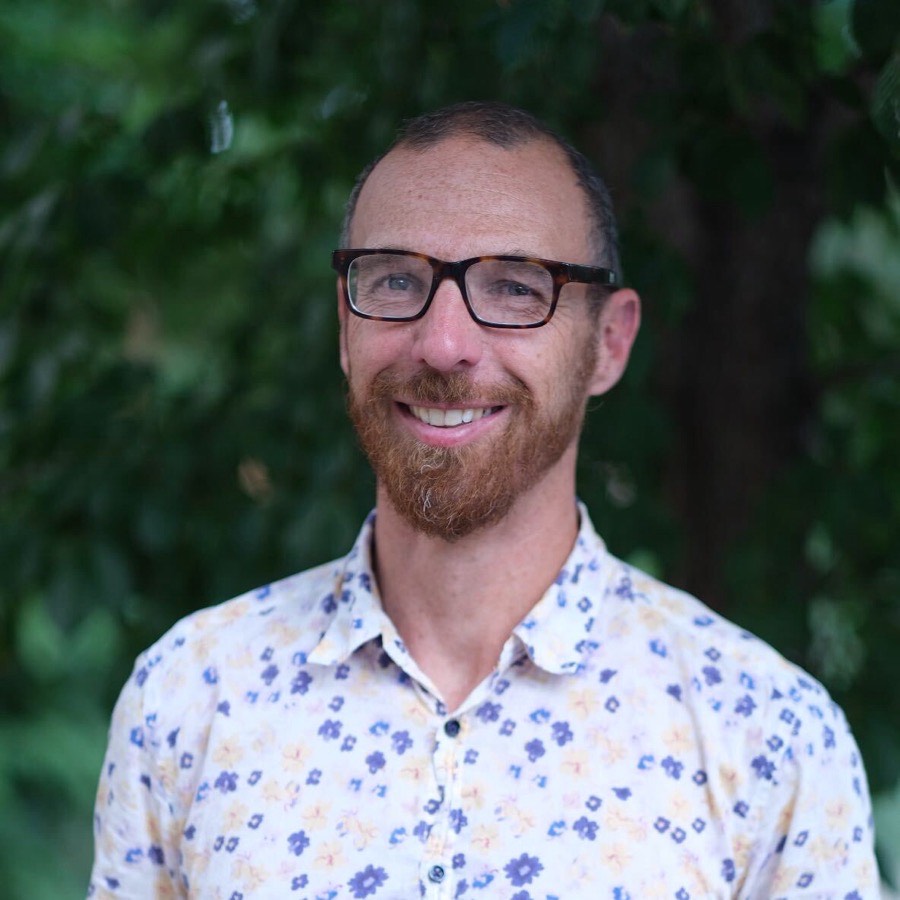
Mark Shahinian
Mark Shahinian
Founder & Principal

Mark has made a career of leading teams to build challenging analytics solutions. As a McKinsey & Co. consultant, and one of the firm's half-dozen Sustainability Fellows, he developed McKinsey's model-driven perspective on the future cost of electric vehicles, changing how the firm and its clients approached EV development.

He led software teams at large tech firms developing analytics products that used large datasets and complex models to examine and visualize physical and digital environments. At a venture-funded startup, he created an energy efficiency project development organization that used commercial-building energy models as its differentiating technology.

Mark is a Sierra Club SF Bay Chapter volunteer water policy advocate and an elected member of the Sierra Club's local executive committee in San Francisco.

JD & MS in Environment, University of Michigan
BA in History, Dartmouth College
Get in Touch

Let's talk about what you're facing

Whether you're confronting a flawed agency model, preparing comments on a major project, or need data an agency won't hand over, we want to hear from you.

Start a conversation

Reach us directly

◎
Location
San Francisco, California
What helps us help you

The agency or project involved, the document or proceeding you're responding to, and any deadlines. We typically reply within two business days.